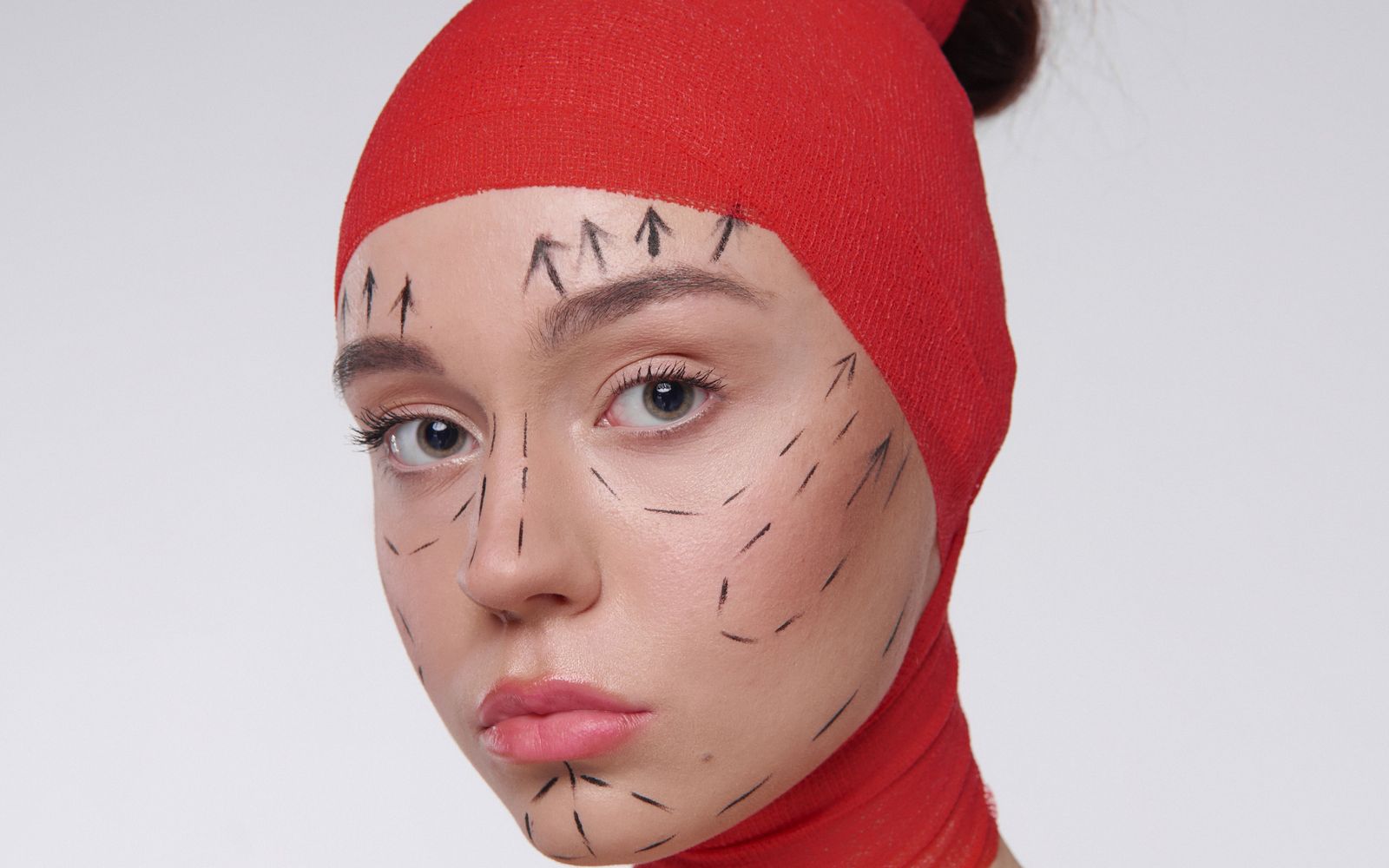
Open or closed, cosmetic or functional: what happens during a nose job and why the final shape takes patience.
Rhinoplasty Turkey is one of the most searched-for cosmetic procedures. A nose job can change the shape of the nose and improve breathing at the same time. It is, however, considered one of the most demanding operations on the face, because small changes have a big effect and healing takes a long time. Here is what you should know before you decide.
Cosmetic and functional rhinoplasty
Cosmetic rhinoplasty may, for example, remove a hump, refine the tip or straighten a crooked nose. Functional surgery aims to improve breathing, for example by straightening a deviated septum (septoplasty) or reducing enlarged turbinates.
The two are often combined. If you struggle to breathe through your nose, mention it during the assessment. Surgery that focuses only on appearance can otherwise make breathing worse.
Open or closed technique?
- Open technique: In addition to incisions inside the nose, a small incision is made across the strip of skin between the nostrils (columella). This gives the surgeon an excellent view, especially of the tip. The scar usually becomes barely visible.
- Closed technique: All incisions are inside the nose. It is mainly suited to smaller corrections.
There are also approaches that preserve the bridge and lower it rather than removing it (preservation rhinoplasty), or that shape bone using ultrasonic instruments. Your surgeon will choose the technique based on your anatomy.
Who is rhinoplasty suitable for?
Facial growth should be complete, your general health good and your expectations realistic. The aim is a nose that suits your face. A detailed discussion of your wishes using your own photos helps. Computer simulations can give an idea but are not a guarantee of the result.
If you have had nose surgery before, it is called revision rhinoplasty. It is often more complex and sometimes needs cartilage from the ear or rib.
What happens in Antalya
For rhinoplasty in Antalya, plan to stay around seven to eight days:
- Before you travel: Photos from the front, side and at an angle, plus details of breathing problems, allergies and previous surgery.
- Consultation: Examination of the nose and breathing, discussion of your goals, informed consent and anaesthetic assessment.
- Surgery: Under general anaesthetic, usually two to four hours.
- Hospital stay: Usually one night.
- Check-ups: After about a week, the splint and any stitches are removed. You can then fly home.
Healing takes time
Swelling and bruising around the nose and eyes are normal in the first days. Cooling the eye area and sleeping with your head raised help. Internal splints or packing are removed after a few days, depending on the technique.
After about two weeks, most bruising has faded. Swelling of the nose, particularly the tip, goes down slowly. The final shape usually appears after about twelve months, and later still with thicker skin.
Important in the first weeks:
- do not blow your nose, and sneeze with your mouth open,
- avoid resting glasses on the bridge of the nose for about six weeks,
- avoid sport, saunas and direct sun for several weeks,
- protect your nose from knocks at all costs.
Preparing for rhinoplasty in Turkey
About two weeks before surgery, blood thinners and certain supplements are paused with your doctor's agreement, and you should stop smoking if possible. A cold or sinus infection should have cleared before the operation. Pack clothes that open at the front, so you do not have to pull anything over your head, along with cold packs, lip balm and a saline spray if recommended. Expect to breathe through your mouth for the first days, which dries the mouth and lips.
Managing expectations
A good result is not a copy of a celebrity's nose or a social media photo. The nose needs to suit your forehead, chin, lips and face width. Your surgeon may tell you that a particular change would make breathing harder or look unnatural on you. That honesty is a good sign. Be specific about what you like and dislike: describe the bridge, tip and nostrils separately rather than just asking for something "smaller".
Risks
Possible risks include bleeding, infection, prolonged swelling, numbness of the tip, breathing problems, asymmetry and a result that does not meet expectations. Some patients later want a minor revision. Ask how a revision would be handled.
Frequently asked questions
When can I go back to work? For desk work, usually after about two weeks, once visible bruising has faded.
When can I fly? Usually after the splint is removed, about a week after surgery, if the check-up is fine.
Will there be a visible scar? With the open technique, a fine scar remains on the columella, which is usually barely noticeable after a few months.
Conclusion
Rhinoplasty can improve both shape and breathing, but it requires careful planning and patience during healing. Take your time over the decision and be open about your expectations. Find out more on our facial surgery page. Our team is happy to answer your questions via the form below this article or our enquiry page.