Surgeon, clinic, documents, travel, insurance and aftercare: the questions to answer before having surgery abroad.
Surgery abroad is a serious option for many people, often because of waiting lists at home, the chance to combine treatment with time away, or access to experienced specialists. Whether it goes well depends far less on the destination than on how carefully you plan. This checklist covers the questions to answer before you book, from choosing a surgeon to organising aftercare at home.
1. Get a medical opinion before anything else
The first step should be an assessment, not a booking. Send your medical history, medication list, previous test results and, where relevant, photos or X-rays. A responsible provider will tell you whether the treatment is suitable, which approach is recommended and how long you need to stay. They should also be willing to say no if surgery is not right for you.
Be cautious of offers that ask for a deposit before a doctor has reviewed your case.
2. Check the surgeon
Ask for the name of the surgeon who will operate and look into their background:
- specialist qualification and experience with the specific procedure,
- membership of professional societies,
- whether they personally hold the consultation and obtain consent,
- who is responsible for your care if complications occur.
You should meet or speak with your surgeon before the day of surgery, not just with a coordinator.
3. Check the hospital or clinic
For surgery under general anaesthetic, the facility should have an intensive care or high-dependency unit, on-site imaging and laboratory services, and clear procedures for emergencies. International accreditation can be an additional sign of quality standards.
4. Understand the consent
You are entitled to a full explanation in a language you understand: the procedure, alternatives, risks and expected recovery. Ask for written consent forms and keep a copy. If language is a barrier, ask for an interpreter or a coordinator who speaks your language.
5. Plan enough time
Each procedure has its own minimum stay before flying home. As a rough guide:
- hair or beard transplant: around three to four days,
- laser eye surgery: around four to five days,
- veneers or crowns: around five to seven days,
- weight loss surgery: around one week,
- tummy tuck, rhinoplasty or combined procedures: often seven to fourteen days,
- dental implants: usually two trips several months apart.
Plan your return flight only after your doctor has confirmed you are fit to travel, and leave some flexibility.
6. Prevent blood clots on the flight
Long periods of sitting after surgery increase the risk of blood clots. Wear compression stockings if advised, walk in the aisle, drink water and avoid alcohol. In some cases your doctor will prescribe blood-thinning injections for the journey.
7. Sort out insurance
Standard health insurance often does not cover planned treatment abroad, especially cosmetic procedures, or complications that arise afterwards. Check your policy and consider specialist medical travel insurance that covers complications.
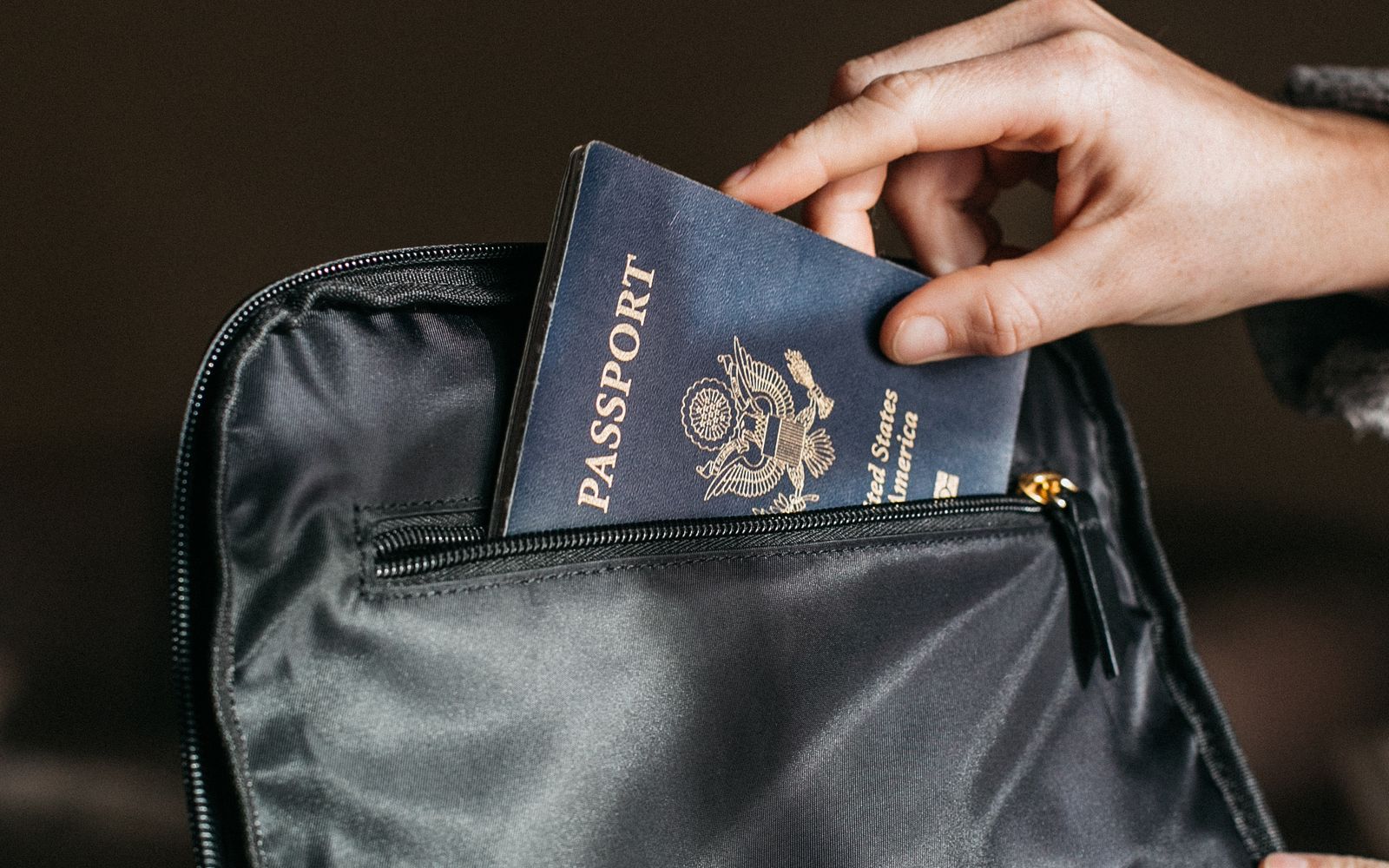
8. Get the right documents
Before leaving, make sure you have:
- a discharge report and operation notes in a language your doctor at home can read,
- details of implants or materials used, with implant cards,
- a medication list and instructions,
- aftercare instructions,
- contact details for questions or emergencies.
9. Arrange aftercare at home
Talk to your GP or dentist before you travel. Most are willing to support follow-up, such as wound checks or blood tests, when they have your reports. Ask your provider how they handle questions after you return, and whether online follow-up appointments are available.
10. Bring someone with you
A travel companion is valuable for most procedures, especially those under general anaesthetic. They can help in the first days, accompany you to appointments and assist on the journey home.
Surgery abroad: red flags
- pressure to book quickly or limited-time offers,
- guarantees of specific results,
- no consultation with the surgeon before the procedure,
- reluctance to provide written information or medical reports,
- very short stays that do not allow for check-ups.
Frequently asked questions
Is surgery abroad safe? It can be, when you choose qualified surgeons, accredited facilities and plan aftercare properly. The same standards you would expect at home apply.
Can I combine treatment with a holiday? Yes, but plan activities before treatment rather than after. Sun, swimming and long excursions are usually off-limits during recovery.
What if a complication happens after I get home? Seek local medical care first and show your reports, then inform your treating team so they can advise.
Conclusion
Surgery abroad can work very well when you plan it carefully: a medical assessment first, a qualified surgeon, a suitable facility, enough time, good documentation and a clear aftercare plan. Esviora helps patients plan treatment in Antalya with a personal coordinator. Explore our treatments, such as bariatric surgery, plastic surgery and dental treatment, or send us your questions via the form below this article or our enquiry page.