What blepharoplasty can correct, how upper and lower eyelid surgery differ and what the first weeks of recovery look like.
Blepharoplasty, or eyelid surgery, is one of the most common facial procedures. Heavy upper eyelids can make you look tired and, in some cases, even restrict your field of vision. Puffy lower lids and under-eye bags are difficult to improve with creams. Because the eyelids are delicate, careful assessment and precise surgery are essential. This guide explains what eyelid surgery involves and what to expect during recovery.
Upper blepharoplasty
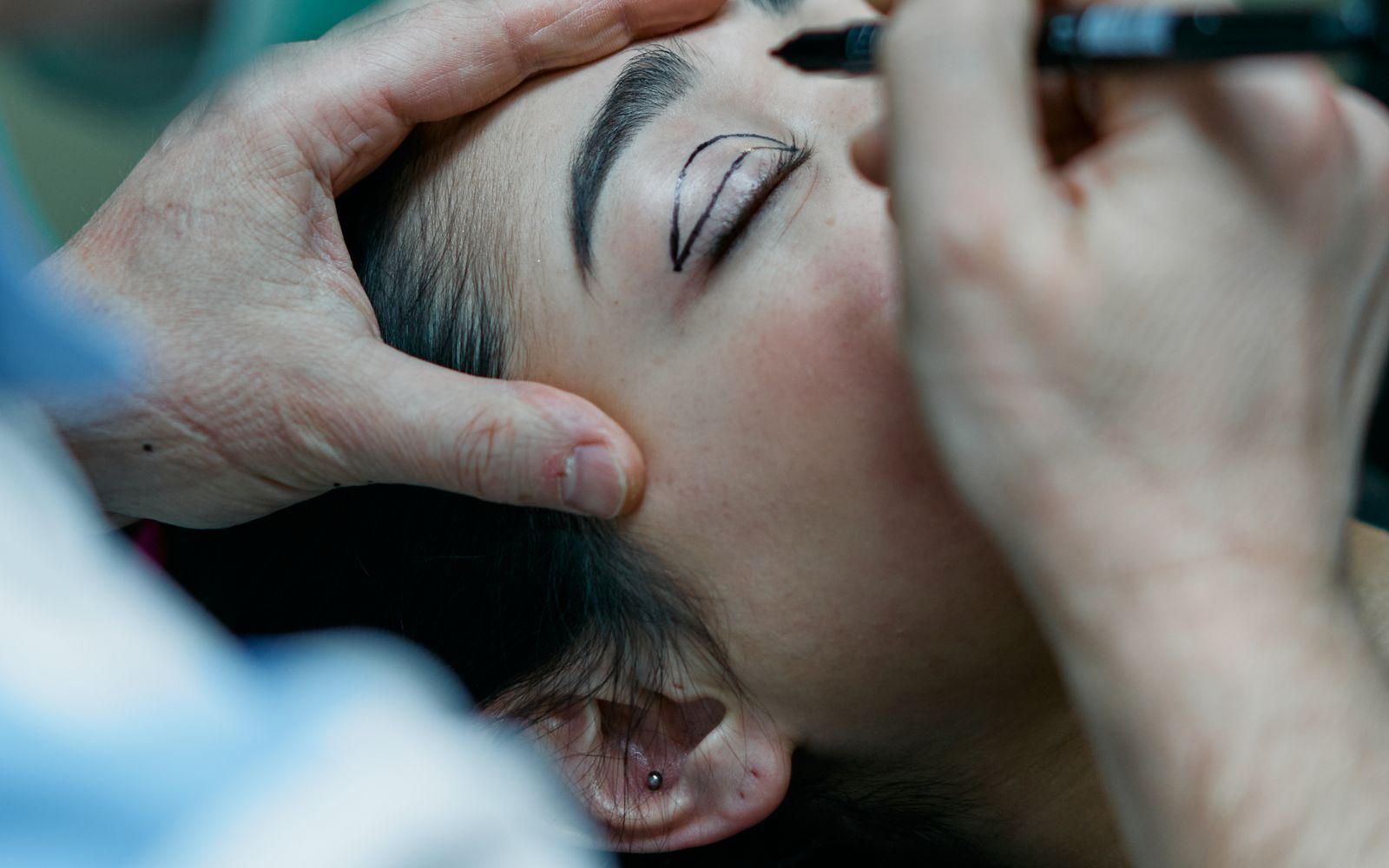
Upper eyelid surgery removes excess skin and, if needed, a small strip of muscle or some fat. The incision sits in the natural crease of the eyelid, so the scar is usually very well hidden once healed. The procedure is often performed under local anaesthetic, sometimes with light sedation, and typically takes around an hour.
It is important to distinguish true excess skin from other conditions. A drooping brow or a weak eyelid-lifting muscle (ptosis) can look similar but require different treatments. A careful examination prevents the wrong operation.
Lower blepharoplasty
Lower eyelid surgery addresses bags caused by fat bulging forward. The fat can be removed or repositioned to smooth the transition between the lid and cheek. Access is either through an incision just below the lashes, which also allows excess skin to be tightened, or through the inside of the eyelid, leaving no visible scar. Lower lid surgery is more technically demanding, because the position and support of the lid must be preserved.
Who is a good candidate?
- adults with excess upper lid skin, heavy lids or under-eye bags,
- good general and eye health,
- no untreated dry eye or eye disease,
- realistic expectations about what surgery can achieve.
Tell your surgeon about dry eyes, contact lens use, thyroid conditions, previous eye surgery and any blood-thinning medication.
Blepharoplasty recovery: what to expect
- First 48 hours: swelling and bruising peak. Cold compresses and sleeping with your head raised help.
- Days 3–7: swelling starts to settle. Stitches, if used, are usually removed after five to seven days.
- Week 2: most bruising has faded and many people feel comfortable being seen in public.
- Weeks 3–6: subtle swelling continues to resolve. The final result is usually visible after a few months.
Your eyes may feel dry, gritty or sensitive to light at first. Lubricating drops and avoiding long periods of screen time help. Reading and screen work can feel tiring during the first week.
Practical aftercare tips
- avoid rubbing your eyes,
- no eye make-up for about two weeks,
- contact lenses usually only after about two weeks,
- avoid heavy lifting, bending and strenuous exercise for one to two weeks,
- wear sunglasses outdoors to protect from sun and wind.
Combining blepharoplasty with other procedures
Eyelid surgery is often combined with a brow lift or facelift when the whole face shows signs of ageing. Combining procedures means one recovery period but a longer operation and more swelling. Your surgeon can help you decide whether a combination or a stepwise approach suits you better.
Risks
Possible risks include dry eyes, temporary difficulty closing the eyes fully, asymmetry, visible scars, changes in lower lid position and, very rarely, problems with vision. Choosing an experienced surgeon and following aftercare instructions carefully reduces these risks.
Frequently asked questions
Will people see a scar? Upper lid scars sit in the natural crease and usually become hard to see after a few months. Lower lid scars below the lashes are also very discreet, and the inside approach leaves no visible scar.
How long do the results last? Skin continues to age, but results often last many years. Upper lids may need a touch-up much later in life.
Is it covered by insurance? In some countries, upper lid surgery may be covered when sagging skin limits vision, which is assessed with a visual field test.
When can I fly after eyelid surgery? Usually after the stitches are removed, around a week after surgery. Keep drops handy, as cabin air is dry.
Conclusion
Blepharoplasty can refresh tired-looking eyes and, for some people, improve vision. A careful examination, a precise technique and good aftercare are what make the result look natural. Learn more on our facial surgery page and send us your questions through the form below this article or our enquiry page.