LASIK, PRK, SMILE or lens implants: which methods exist, who is suitable and how treatment in Antalya works.
If you are thinking about laser eye surgery Turkey, you most likely want to get through daily life without glasses or contact lenses. Modern procedures are well established and performed millions of times worldwide. Even so, not every eye is suitable for every method. A thorough assessment is therefore the most important step. This guide gives an overview of the options and the process.
What procedures are there?
Laser eye surgery reshapes the cornea so that light focuses correctly on the retina again. The most common methods are:
- LASIK or femto-LASIK: A femtosecond laser creates a thin flap in the cornea, which is lifted. An excimer laser then reshapes the tissue underneath and the flap is laid back. Vision usually recovers very quickly.
- PRK, LASEK or trans-PRK: The surface layer of the cornea is removed and the laser is applied directly to the surface. No flap is created. Healing takes a few days longer and is more uncomfortable at first. It can be a good choice for thin corneas or contact sports.
- SMILE: A femtosecond laser creates a small disc of tissue inside the cornea, which is removed through a tiny incision. No large flap is created.
Which method suits you depends on your prescription, your cornea and your lifestyle.
Who is suitable for laser eye surgery?
Key requirements are:
- usually being at least 18 years old,
- a stable prescription for at least about a year,
- a sufficiently thick and healthy cornea,
- no eye conditions such as keratoconus, untreated glaucoma or active inflammation.
Severe dry eye, certain autoimmune conditions, pregnancy and breastfeeding are also taken into account. You will need to stop wearing contact lenses for a few days to several weeks before the assessment, so that the cornea returns to its natural shape.
When is a lens implant the better choice?
Not every prescription can be treated sensibly with a laser. With very high short-sightedness or a thin cornea, an implantable contact lens (phakic lens) may be an alternative. It is placed inside the eye in front of your natural lens and can be removed if needed.
From around your mid-forties, age-related long-sightedness (presbyopia) also comes into play. A refractive lens exchange, where your natural lens is replaced with an artificial one, similar to cataract surgery, may then be discussed. These procedures are more involved than laser eye surgery and are assessed individually.
What happens in Antalya
For laser eye surgery in Antalya, allow around four to five days:
- Before you travel: Details of your prescription, contact lens use, eye conditions and medication.
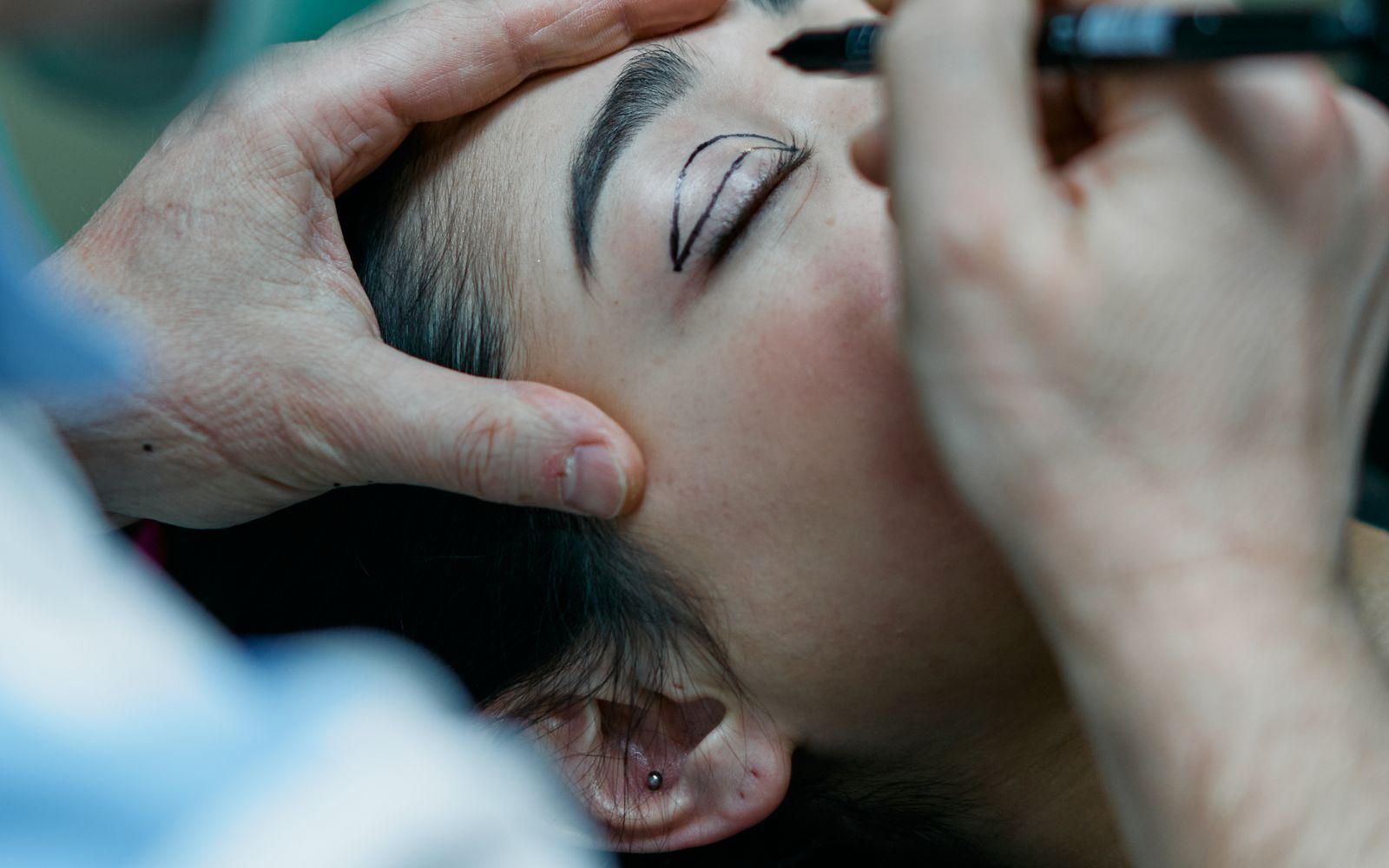
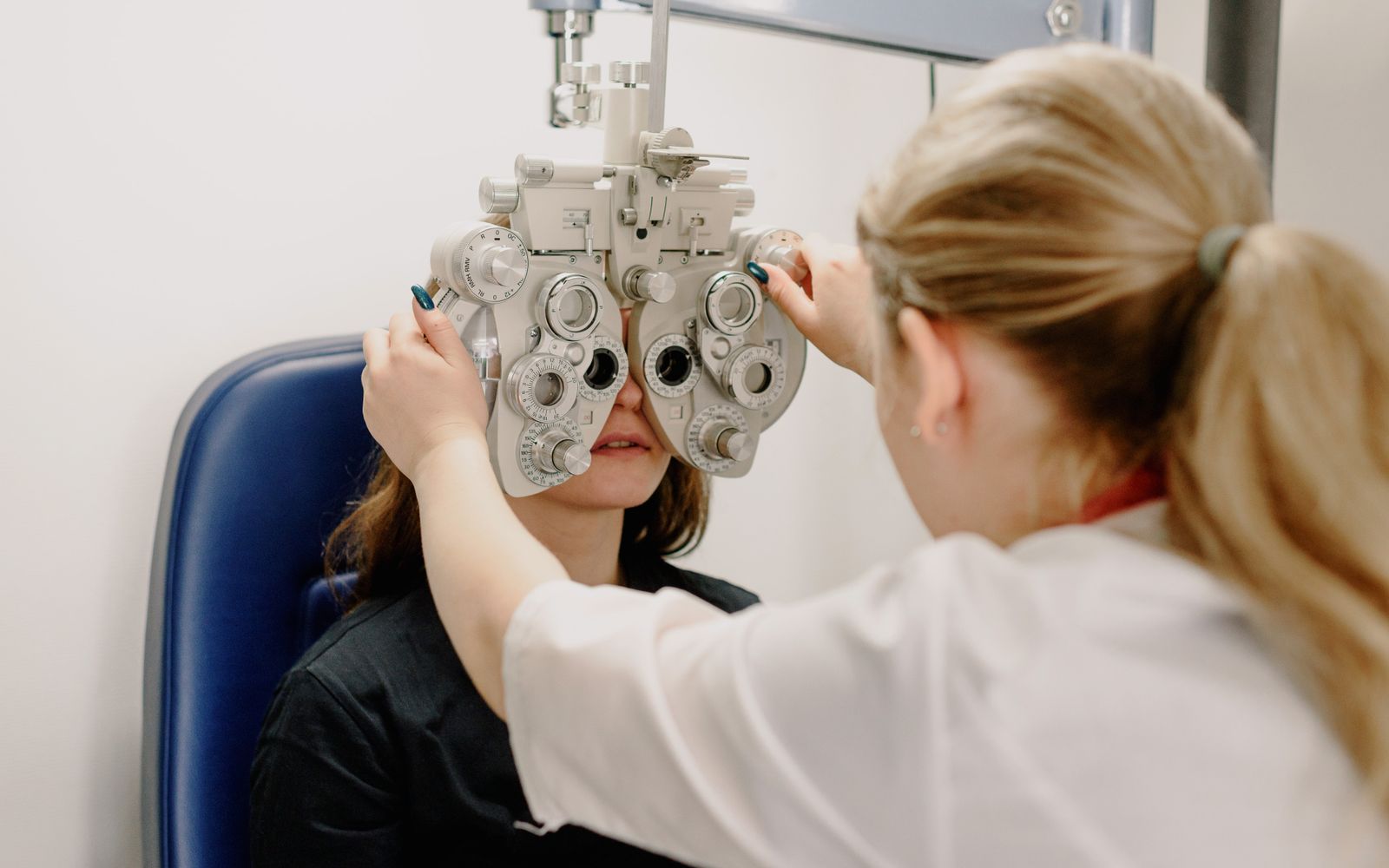
- Assessment: Measurement of corneal thickness and shape, pupil size, eye pressure, tear film and an examination of the back of the eye. This usually takes several hours. The eye doctor then decides which procedure is possible.
- Treatment: Both eyes are usually treated on the same day. The laser time itself is short, and the eyes are numbed with drops.
- Check-ups: The day after and, depending on the method, again before you fly home.
After treatment
In the first hours, your eyes may sting, water and be sensitive to light. After LASIK or SMILE, many people see clearly the next day. With PRK it takes a few days longer. Important points:
- use eye drops as instructed,
- do not rub your eyes,
- avoid eye make-up for a few days,
- avoid swimming pools, saunas and dusty environments for about two weeks,
- wear sunglasses in bright light.
Flying is usually possible shortly after treatment, provided the check-up is fine. Dry cabin air can irritate the eyes, so keep lubricating drops to hand.
Preparing for laser eye surgery in Turkey
Remove your contact lenses in good time before the assessment: a few days for soft lenses and longer for rigid lenses. Bring your current glasses and any previous eye reports. On the day of treatment, avoid make-up, face cream and perfume. You will need someone with you, as you cannot drive on the day and your vision may still be blurry at first. Plan quiet activities for the first few days and give your eyes regular breaks from screens.
Risks
Possible side effects include dry eyes, glare or halos at night, under- or over-correction and, very rarely, flap complications or weakening of the cornea. Some symptoms improve over the first months. If there is enough corneal tissue, an enhancement can be performed if needed.
Questions for your assessment
- Which procedure is safest for my eyes, and why?
- Is my cornea thick enough for a possible enhancement later?
- Which lasers are used?
- Who performs the assessment and the treatment?
- Who will carry out check-ups after I return home?
Frequently asked questions
Will I never need glasses again? For distance vision, often not. With age, however, almost everyone develops presbyopia and needs reading glasses.
Does laser eye surgery hurt? The eyes are numbed with drops. You may feel pressure, but pain during the procedure is rare.
Conclusion
Laser eye surgery can give you a lot of freedom when the procedure and the conditions are right. An honest assessment decides whether to use a laser, a lens implant or to wait. Find out more on our laser eye surgery page. Send us your questions via the form below this article or our enquiry page.