Donor hair, the pattern of hair loss, age and expectations: what decides whether a hair transplant is a good idea for you.
A hair transplant can restore a natural-looking hairline, but it is not the right answer for everyone. The result depends on how much donor hair you have, how your hair loss is progressing and what you expect to achieve. Understanding these factors before you book helps you avoid disappointment and choose a plan that still looks good in ten or twenty years. This guide explains what doctors look at when deciding whether you are a good candidate.
How a hair transplant works
Hair transplantation moves follicles from the back and sides of the head, where hair is usually resistant to pattern baldness, to areas that have thinned. With FUE, follicles are removed one by one with a fine punch. With DHI, grafts are implanted with a pen-like tool. Both rely on the same principle: a limited supply of donor hair is redistributed to where it makes the most visual difference.
That is the key point. A transplant does not create new hair. It moves existing hair, so the donor supply sets the limits.
What makes a good candidate
- Stable, adequate donor area: dense, healthy hair at the back and sides of the head.
- Predictable pattern of loss: typical male or female pattern hair loss rather than patchy or rapidly changing loss.
- Realistic goals: for example, framing the face and improving density, rather than restoring a teenage hairline.
- Good general health: conditions such as uncontrolled diabetes or bleeding disorders need to be discussed.
- Willingness to protect native hair: ongoing hair loss can continue around the transplanted area.
When to wait or think again
Some situations call for caution:
- Very young age: in men in their early twenties, hair loss is often still progressing. A transplant done too early can leave an unnatural island of hair later.
- Diffuse thinning: when hair thins evenly across the scalp, including the donor area, results may be limited.
- Medical causes: hair loss from thyroid problems, iron deficiency, certain medications or autoimmune conditions such as alopecia areata should be investigated first.
- Unrealistic expectations: if the desired density is far beyond what the donor area can provide.
Hair transplant planning: the hairline
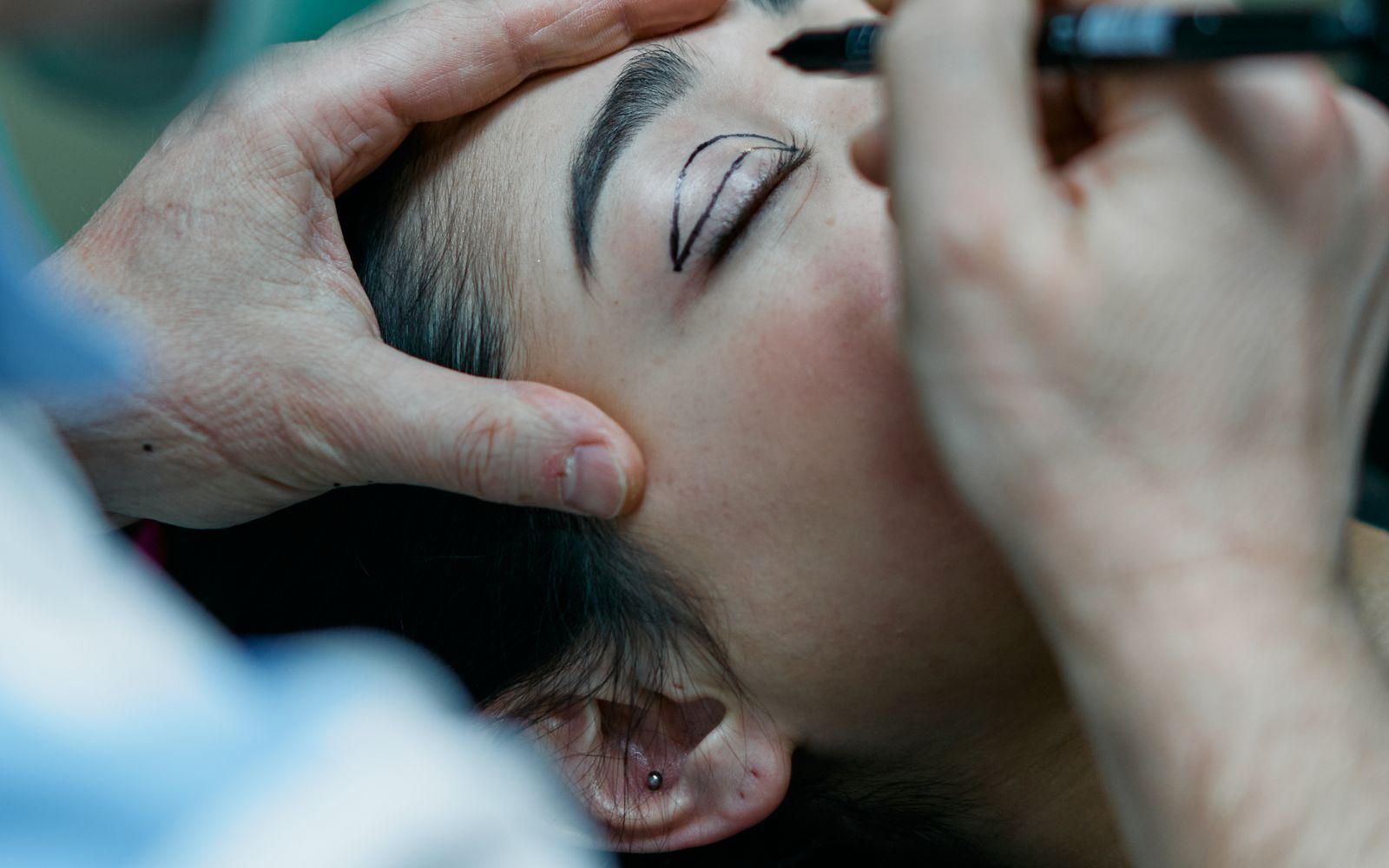
The hairline frames the face, and its design is one of the most important decisions. A natural hairline is slightly irregular, follows facial proportions and takes future hair loss into account. A hairline that is too low or too straight may look fine at first but can look artificial as you age. A good doctor will draw the hairline with you and explain the reasoning.
How many grafts do you need?
The number of grafts depends on the size of the area, the density you want and the quality of your donor hair. Thick, coarse or curly hair can give more visual coverage per graft than fine hair. Be cautious of offers built around very high graft numbers: overharvesting can leave the donor area thin and visibly patchy.
Hair transplant for women
Women can also benefit, especially those with a stable, well-defined area of thinning or a high hairline. However, female hair loss is often diffuse and has more possible medical causes, so a thorough assessment, sometimes including blood tests, comes first.
The consultation: what to send and ask
Before an assessment, send clear photos of the front, top, crown and back of your head in good light, with hair dry and short enough to see the scalp. Useful questions include:
- Is my donor area strong enough, and how many grafts are realistic?
- How will you design my hairline, and how will it age?
- Do you recommend FUE or DHI for me, and why?
- Who performs each step of the procedure?
- What can I do to protect my existing hair?
Frequently asked questions
Is a hair transplant permanent? Transplanted hair from the donor area is generally resistant to pattern baldness and keeps growing. Surrounding native hair can still thin over time.
Will it look natural? With careful hairline design, correct angles and appropriate density, a transplant can look very natural.
Can I have a second procedure? Often yes, if enough donor hair remains. Planning with the long term in mind is essential.
How long until I see the result? Growth starts around three to four months, and the final result is usually visible after about a year. Read our hair transplant recovery timeline for details.
Conclusion
A hair transplant works best for people with a healthy donor area, a predictable pattern of hair loss and realistic expectations. Careful planning matters more than the number of grafts. Learn more on our hair transplant page or send us photos for an assessment through the form below this article or our enquiry page.