From the pre-op liver-shrinking diet to normal food in small portions: how eating changes before and after a gastric sleeve.
The gastric sleeve diet starts before surgery and continues, in a different form, for the rest of your life. In the weeks around the operation it follows clear stages that protect the healing stomach. Later it becomes a set of habits that decide how much weight you lose and how well you keep it off. This guide explains each stage in plain language. Your own surgical team or dietitian will give you a personalised plan, which always takes priority.
Before surgery: the pre-op diet
Many surgeons ask patients to follow a low-calorie, low-carbohydrate diet for around two weeks before a gastric sleeve. Its main purpose is to shrink the liver, which sits directly over the stomach. A smaller, softer liver makes keyhole surgery safer and easier.
This diet is often based on protein shakes, lean protein, non-starchy vegetables and plenty of water, while sugar, bread, pasta, rice and alcohol are avoided. It can feel tough, but it is also a useful rehearsal for the habits you will need after surgery.
Stage 1: clear liquids
In the first day or two after surgery, you drink only clear liquids: water, clear broth, sugar-free drinks and diluted tea. Sip slowly, using a small cup, and stop as soon as you feel any pressure. Fizzy drinks and drinking through a straw are usually avoided, as they can introduce air into the stomach.
Stage 2: full liquids
For roughly the first one to two weeks, you move on to full liquids, such as protein shakes, milk, thin smooth soups and drinking yoghurt. Protein is now a priority. Many plans aim for a protein target that your dietitian sets based on your weight, which is hard to reach with tiny volumes, so protein drinks are very helpful.
Stage 3: puréed foods
Next come puréed foods with a smooth texture, often for one to two weeks. Good options include:
- blended lentil or vegetable soups,
- scrambled or soft-boiled egg mashed until smooth,
- puréed fish, chicken or beans,
- yoghurt and soft cheese.
Eat slowly from a small plate or bowl and stop at the first sign of fullness.
Stage 4: soft foods
Soft foods that can be mashed with a fork are added next: tender fish, minced meat, soft cooked vegetables, cottage cheese and omelettes. Chewing becomes very important. A good rule of thumb is to chew until the food is the texture of a purée before swallowing.
Stage 5: normal texture in small portions
From around six weeks, most people return to normal textures. Portions stay small, and some foods can remain difficult for months, such as dry meat, fresh bread, pasta, rice and stringy vegetables. Introduce them one at a time.
Gastric sleeve diet: the long-term rules
Once the stages are complete, a handful of habits make the biggest difference:
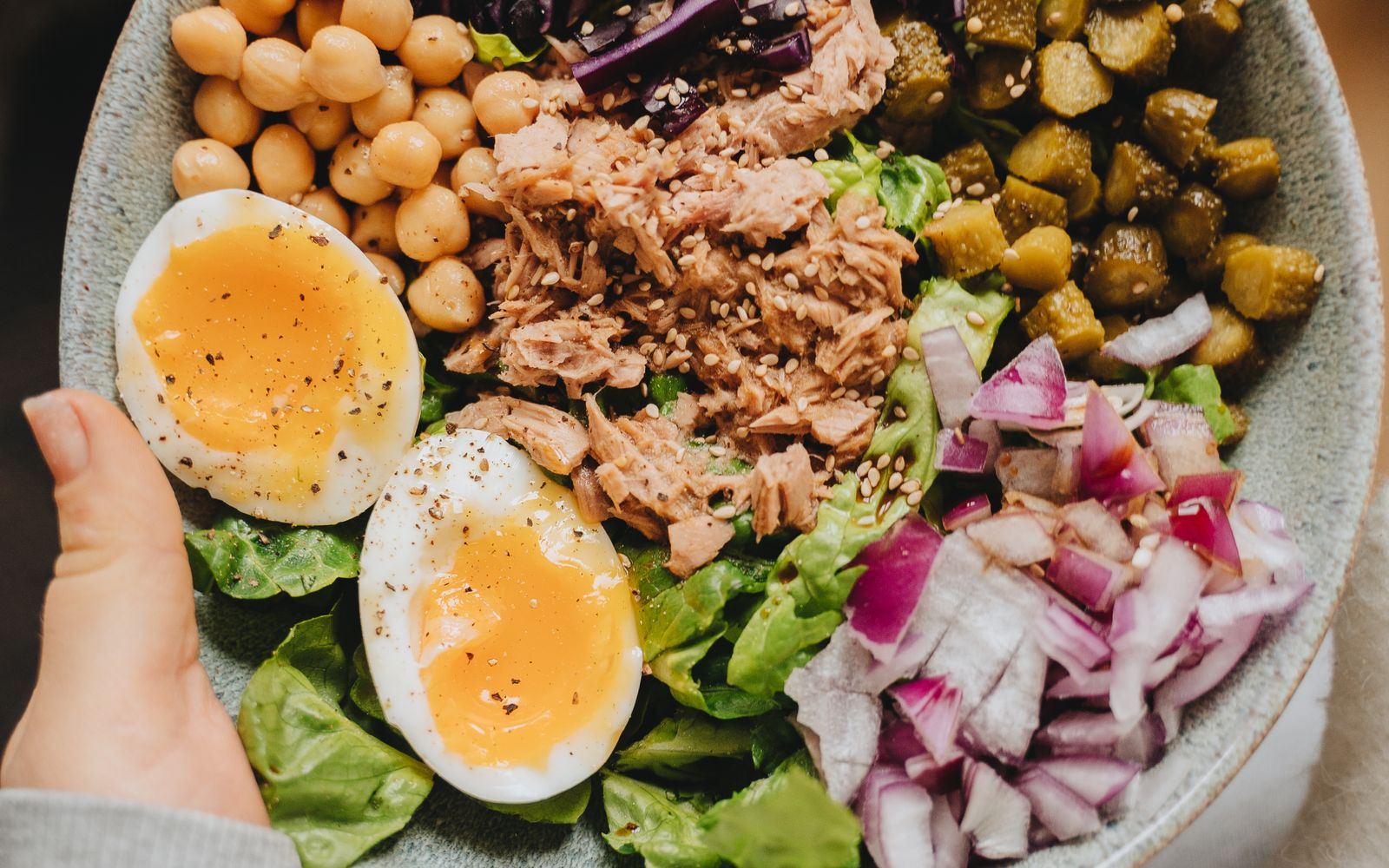
- Protein first: start each meal with protein, then vegetables, then a small amount of starch.
- Small plates: use side plates and small cutlery to keep portions in check.
- Slow eating: take twenty to thirty minutes per meal and stop when you feel satisfied.
- Separate drinks and meals: avoid drinking for about thirty minutes before and after eating.
- Hydration: sip water steadily between meals, aiming for the amount your team recommends.
- Limit liquid calories: juices, sugary coffees, smoothies and alcohol pass through quickly and add calories without filling you up.
- Plan snacks: if you need them, choose protein-based options rather than grazing.
Supplements
Because you eat much less, it is difficult to get all the vitamins and minerals you need from food alone. Most programmes recommend lifelong supplements, commonly a multivitamin and vitamin B12, with vitamin D, calcium and iron as needed. Regular blood tests guide the exact plan.
Common problems and how to handle them
- Nausea or vomiting: usually a sign of eating too fast, too much or food that is not chewed enough.
- Constipation: common with low food volume; fluids, gentle movement and fibre as tolerated help, and your team can recommend a mild remedy.
- Food intolerance: if a food causes discomfort, wait a week or two and try again in a smaller amount.
- Weight-loss plateau: normal from time to time; review portions, protein, drinks and activity rather than eating less and less.
Frequently asked questions
Can I eat sweets after a gastric sleeve? Occasionally and in small amounts, but frequent sugary foods slow weight loss and can trigger cravings.
Can I drink alcohol? Alcohol is usually avoided for at least several months. Afterwards it is absorbed more quickly, so even small amounts have a stronger effect.
How much will I be able to eat? Very little at first. Capacity increases over the first year, but a healthy portion remains much smaller than before surgery.
Do I need a dietitian? It is strongly recommended, at least in the first year, to personalise your plan and adjust it as your needs change.
Conclusion
The gastric sleeve diet moves from liquids to purées, soft food and finally normal food in small portions. The long-term habits, especially protein first, slow eating and separating drinks from meals, are what make the operation work. Read more on our bariatric surgery page, and send us your questions via the form below this article or our enquiry page.