
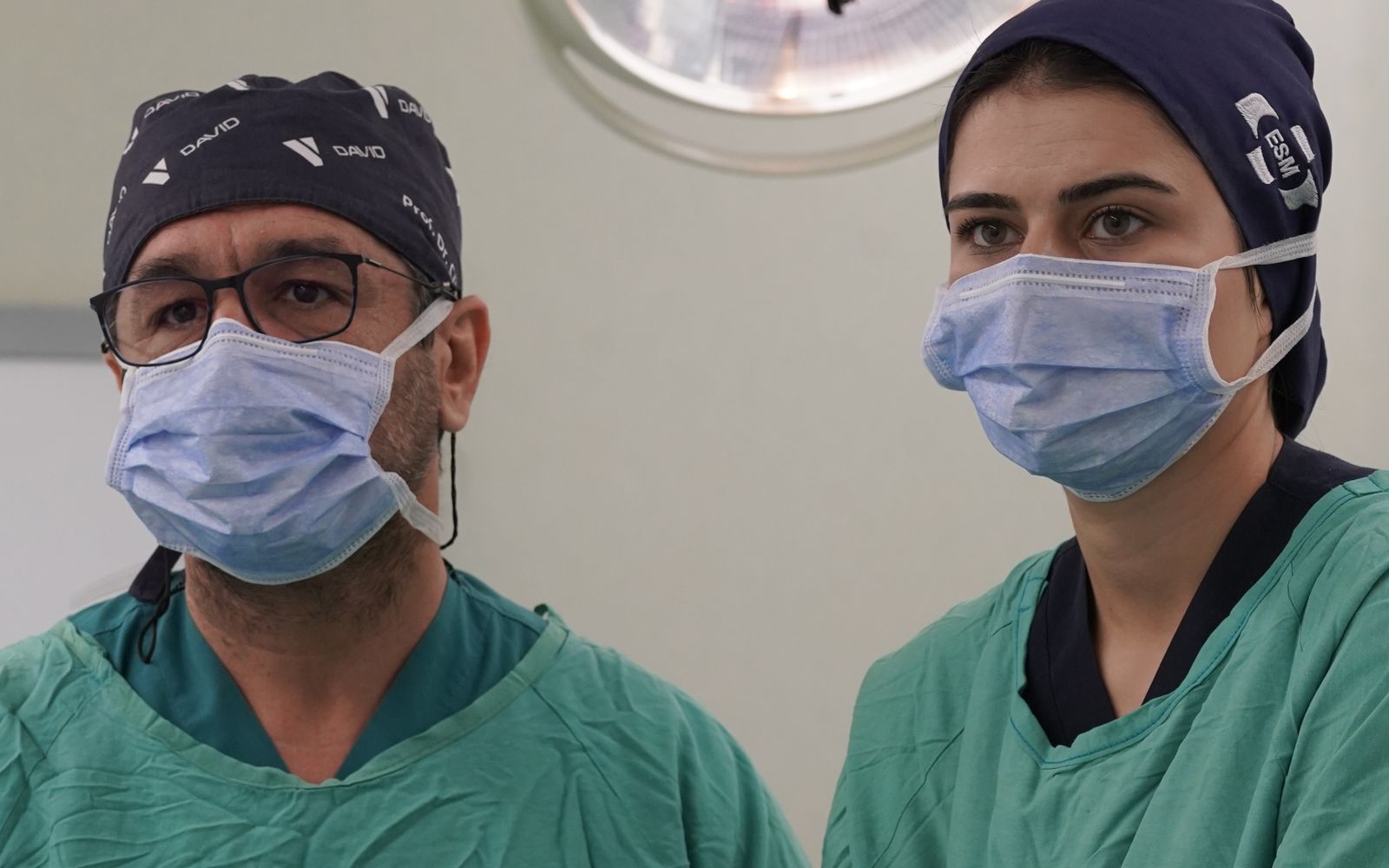
Bypass or sleeve? How the two weight loss operations differ, who a gastric bypass may suit and what life looks like afterwards.
If you are researching gastric bypass Turkey, you have probably also read about the gastric sleeve and wondered which one is right for you. There is no single answer. Both are well-established weight loss operations, but they work differently and come with different responsibilities afterwards. This guide explains the key differences so you can go into your consultation well prepared.
How does a gastric bypass work?
The most common type is the Roux-en-Y gastric bypass. The surgeon creates a small pouch at the top of the stomach and connects it directly to a loop of the small intestine. Food then bypasses most of the stomach, the duodenum and the first part of the small intestine. The rest of the stomach stays in the body, but food no longer passes through it.
This has two effects: you can only eat small portions, and some nutrients are absorbed less. Hormones that control hunger, fullness and blood sugar also change. That hormonal effect is one reason why a bypass is often discussed for people with type 2 diabetes.
Gastric bypass or gastric sleeve – the key differences
With a sleeve, a large part of the stomach is permanently removed and the intestine is left unchanged. With a bypass, nothing is removed, but the route food takes is changed. Points that often shape the decision include:
- Reflux and heartburn: A sleeve can make existing reflux worse. A bypass is often considered the better option when reflux is significant.
- Diabetes and metabolism: Both can improve blood sugar; a bypass is frequently discussed for type 2 diabetes.
- Vitamins and minerals: After a bypass, absorption of vitamin B12, iron, calcium and vitamin D is reduced. Lifelong supplements and regular blood tests are essential.
- Reversibility: A bypass can in principle be reversed, a sleeve cannot. In practice, reversal is major surgery and not a reason to take the decision lightly.
- Later surgery: If needed, a sleeve can later be converted into a bypass.
Which operation suits you depends on your weight, other conditions, eating habits and previous surgery. Your surgeon makes this decision with you after a thorough assessment.
Who is a gastric bypass suitable for?
Guidelines generally consider weight loss surgery from a BMI of 40, or from 35 if you also have conditions such as type 2 diabetes, high blood pressure or sleep apnoea. With type 2 diabetes, a lower BMI may be discussed in individual cases. Just as important is being ready to change how you eat for good and to take follow-up seriously.
Untreated addiction, an acute mental health crisis or certain serious conditions can rule surgery out. That is why blood tests, an ultrasound scan, often an endoscopy and a detailed consultation come first.
What happens in Antalya
A stay for a gastric bypass in Antalya is usually around one week:
- Before you travel: You send your height, weight, medical history, medication and any previous test results. The surgeon gives an initial opinion.
- Arrival and tests: Blood tests, imaging, an anaesthetic assessment and a consultation with the surgeon.
- Surgery: Performed by keyhole (laparoscopic) surgery under general anaesthetic.
- Hospital stay: Usually a few days, with a leak test, blood clot prevention and your first liquids.
- Going home: Once the medical team agrees, with a written discharge report and diet plan.
A low-calorie, low-carbohydrate diet is often recommended for a few weeks beforehand. It shrinks the liver and makes surgery easier.
Talking openly about risks
Like any operation, a gastric bypass has risks, including bleeding, leaks at the staple lines, blood clots and infection. Later, ulcers at the join, narrowing, an internal hernia or dumping syndrome can occur. Dumping syndrome causes dizziness, a racing heart or diarrhoea after very sugary or fatty food. Smoking and anti-inflammatory painkillers such as ibuprofen significantly increase the risk of ulcers and should be avoided, as advised by your doctor.
Follow-up: the most important part
Long-term success is decided after surgery. That means:
- moving gradually from liquids to purées, then soft and finally normal food,
- enough protein and fluid spread across the day,
- lifelong vitamin and mineral supplements,
- regular blood tests, more often at first and then at least once a year,
- regular activity that fits into your life.
Before you travel, make sure you know who will handle your follow-up at home. Many GPs are willing to arrange blood tests once they have your discharge report and diet plan.
Preparing for gastric bypass in Turkey
Bring your medication list, any recent blood tests and comfortable, loose clothing. Compression stockings for the flight, a small water bottle for sipping throughout the day and protein powder if recommended are also useful. If possible, travel with a companion who can help you during the first days and on the journey home. Ask for enough medication, such as acid-reducing tablets or blood-thinning injections, to cover the first weeks at home.
Frequently asked questions
How long do I need to take vitamins after a gastric bypass? Usually for life. Which supplements you need and in what dose depends on your blood results.
When can I go back to work? Often after about two weeks for desk work, later for physically demanding jobs. Your medical team will advise you individually.
Can I get pregnant after a bypass? Yes, but many specialists recommend waiting until your weight has stabilised, usually at least 12 to 18 months, and planning pregnancy with close medical support.
Is a mini gastric bypass the same thing? No. The one-anastomosis or mini bypass is a separate procedure with its own pros and cons. Your surgeon can tell you whether it is an option for you.
How much weight will I lose? This varies widely and depends a great deal on diet and activity. Be wary of anyone who guarantees a specific result.
Conclusion
A gastric bypass is not a decision to make in a hurry. It can be a good option, particularly with reflux or type 2 diabetes, but it requires lifelong follow-up and discipline with vitamins and diet. You can read more about the procedures on our bariatric surgery page. Send us your questions using the form below this article or via our enquiry page.