
Implants, bridges and dentures compared: how each option works, who it suits, how long treatment takes and what aftercare involves.
If you are missing one or more teeth, dental implants are often the first option people hear about. But bridges and dentures are also well-established solutions, and each has its place. The right choice depends on how many teeth are missing, the health of your remaining teeth and gums, your bone and your budget of time. This guide compares the three options so you can discuss them confidently with your dentist.
Why replacing missing teeth matters
A gap is not only a cosmetic issue. Neighbouring teeth can drift or tilt into the space, opposing teeth can over-erupt and the jawbone in the gap gradually shrinks. Missing back teeth can also make chewing harder and put extra strain on the remaining teeth.
Dental implants
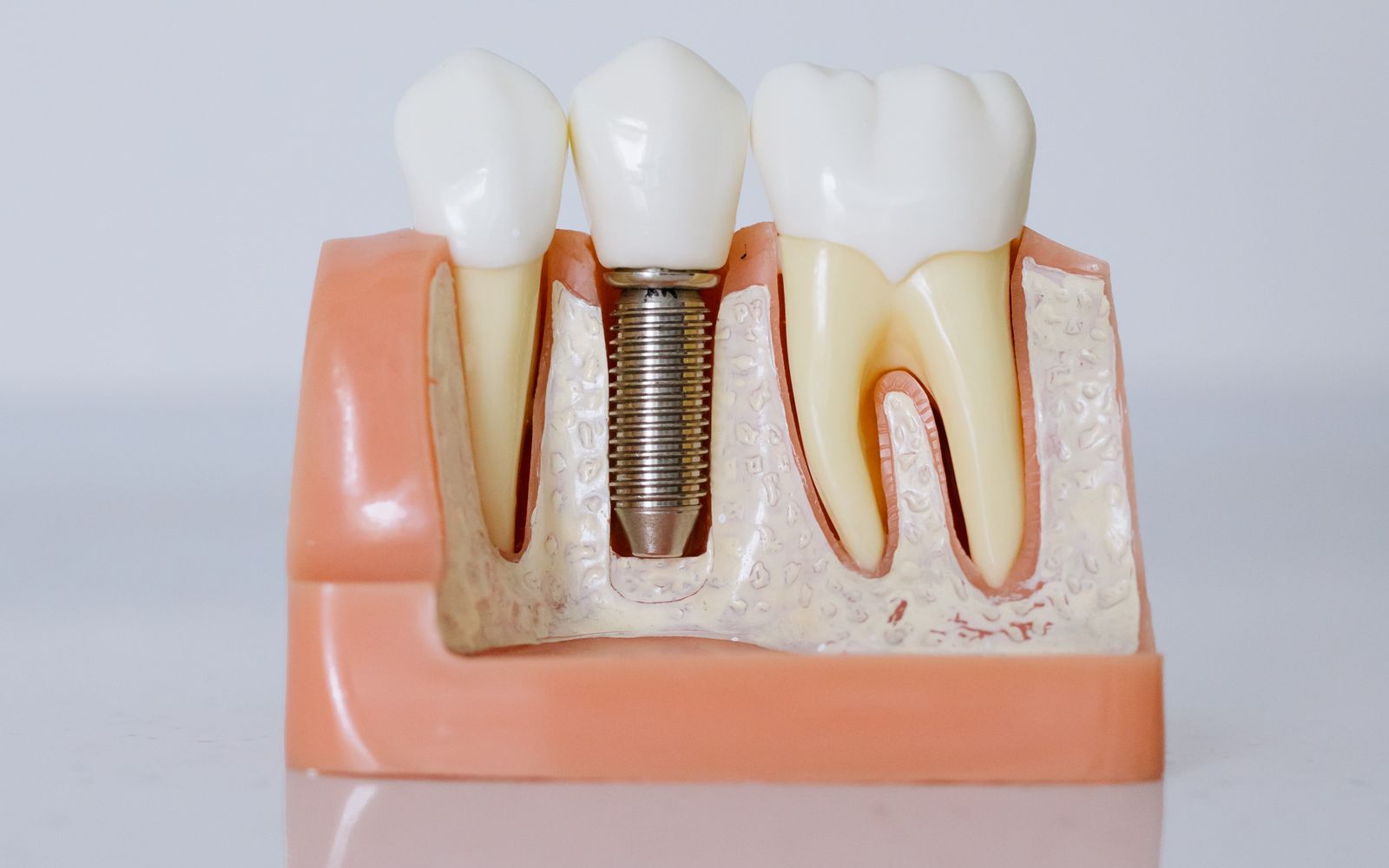
A dental implant is a small titanium or zirconia post placed in the jawbone. After it fuses with the bone, which usually takes around three to six months, a crown, bridge or denture is attached on top.
Advantages:
- does not rely on or damage neighbouring teeth,
- helps preserve the jawbone,
- feels and functions much like a natural tooth,
- can support full-arch bridges, for example the All-on-4 concept.
Things to consider:
- requires enough healthy bone, sometimes with bone grafting,
- treatment takes several months and often two phases,
- smoking and uncontrolled diabetes increase the risk of failure,
- implants need excellent cleaning to prevent inflammation around them (peri-implantitis).
Bridges
A conventional bridge replaces a missing tooth with an artificial tooth anchored to crowns on the neighbouring teeth.
Advantages:
- usually completed within days or a couple of weeks,
- no surgery required,
- fixed in place.
Things to consider:
- the neighbouring teeth must be reduced for crowns, which is a disadvantage if they are healthy,
- cleaning under the bridge requires special floss or brushes,
- bone under the missing tooth continues to shrink.
A bridge can be a good choice when the neighbouring teeth already need crowns, or when implants are not possible.
Dentures
Dentures are removable replacements for several or all teeth. Partial dentures clip onto remaining teeth; full dentures rest on the gums. Dentures can also be secured on two or more implants, which greatly improves stability.
Advantages:
- the least invasive and often fastest option,
- suitable when many teeth are missing and bone is limited.
Things to consider:
- can move when eating or speaking, especially lower dentures,
- may affect taste and comfort,
- need relining over time as the jaw changes.
Dental implants vs bridges vs dentures: quick comparison
- Single missing tooth, healthy neighbours: an implant is often preferred.
- Missing tooth with heavily restored neighbours: a bridge can make sense.
- Several missing teeth: implant-supported bridge or partial denture.
- All teeth missing in one jaw: full denture, implant-retained denture or fixed bridge on four to six implants.
What the assessment includes
A proper plan starts with an examination and X-rays, often a 3D scan (CBCT) to measure bone. Gum disease should be treated first, because it is one of the main reasons implants and bridges fail. Your dentist should explain all suitable options, not just one.
Dental implants abroad
Many people combine implant treatment with travel. This works best when the plan accounts for two trips: one to place the implants and one, several months later, to fit the final teeth. Make sure you receive your implant card, X-rays and treatment notes so your local dentist can provide routine care. Our article on dental implants in Turkey explains the typical schedule.
Frequently asked questions
How long do dental implants last? With good hygiene and regular check-ups they can last many years, but no lifespan can be guaranteed.
Is implant surgery painful? It is done under local anaesthetic, sometimes with sedation. Swelling and discomfort for a few days are common.
Can I get teeth on the same day? In some cases a temporary tooth or bridge can be fitted shortly after implant placement. The final teeth follow after healing.
Am I too old for implants? Age alone is rarely a barrier. General health and bone quality matter more.
Conclusion
Dental implants, bridges and dentures each solve the problem of missing teeth in different ways. Implants protect neighbouring teeth and bone but take time; bridges are quicker; dentures are the least invasive. A thorough assessment shows which option fits you. Find out more on our dental treatment page and send us your X-rays through the form below this article or our enquiry page.