
Who is a gastric sleeve suitable for, what happens during the stay and what changes afterwards? A clear overview of weight loss surgery in Antalya.
A gastric sleeve in Turkey is an option many people with severe obesity look into after years of dieting. The operation is not a quick fix, though – it is the start of a lasting change. This article explains who it may suit, how the stay works and what matters afterwards.
What is a gastric sleeve?
In a sleeve gastrectomy, the surgeon uses keyhole (laparoscopic) surgery to remove a large part of the stomach, leaving a narrow, tube-shaped stomach. Smaller portions then fill you up, and some hormonal signals that affect hunger change as well. The operation cannot be reversed.
Who is it suitable for?
Whether surgery makes sense is always decided by a medical assessment. Clinical guidelines look at body mass index (BMI) and related conditions, among other factors. Commonly used criteria are:
- a BMI of 40 or more, or
- a BMI of 35 or more with conditions such as type 2 diabetes, high blood pressure or sleep apnoea,
- in some cases lower values, for example with hard-to-control diabetes.
Your medical history, previous operations, eating habits and willingness to attend long-term follow-up also matter. If you have significant reflux, another method such as a gastric bypass may be more suitable – the medical team will discuss this with you.
How a gastric sleeve in Antalya works
The exact plan is always set by the treating team. A typical stay:
- Beforehand: you share your height, weight, conditions and medicines; doctors assess whether surgery may be suitable.
- Arrival and tests: blood tests, ultrasound and, if needed, an endoscopy, plus consultations with the surgeon, anaesthetist and dietitian.
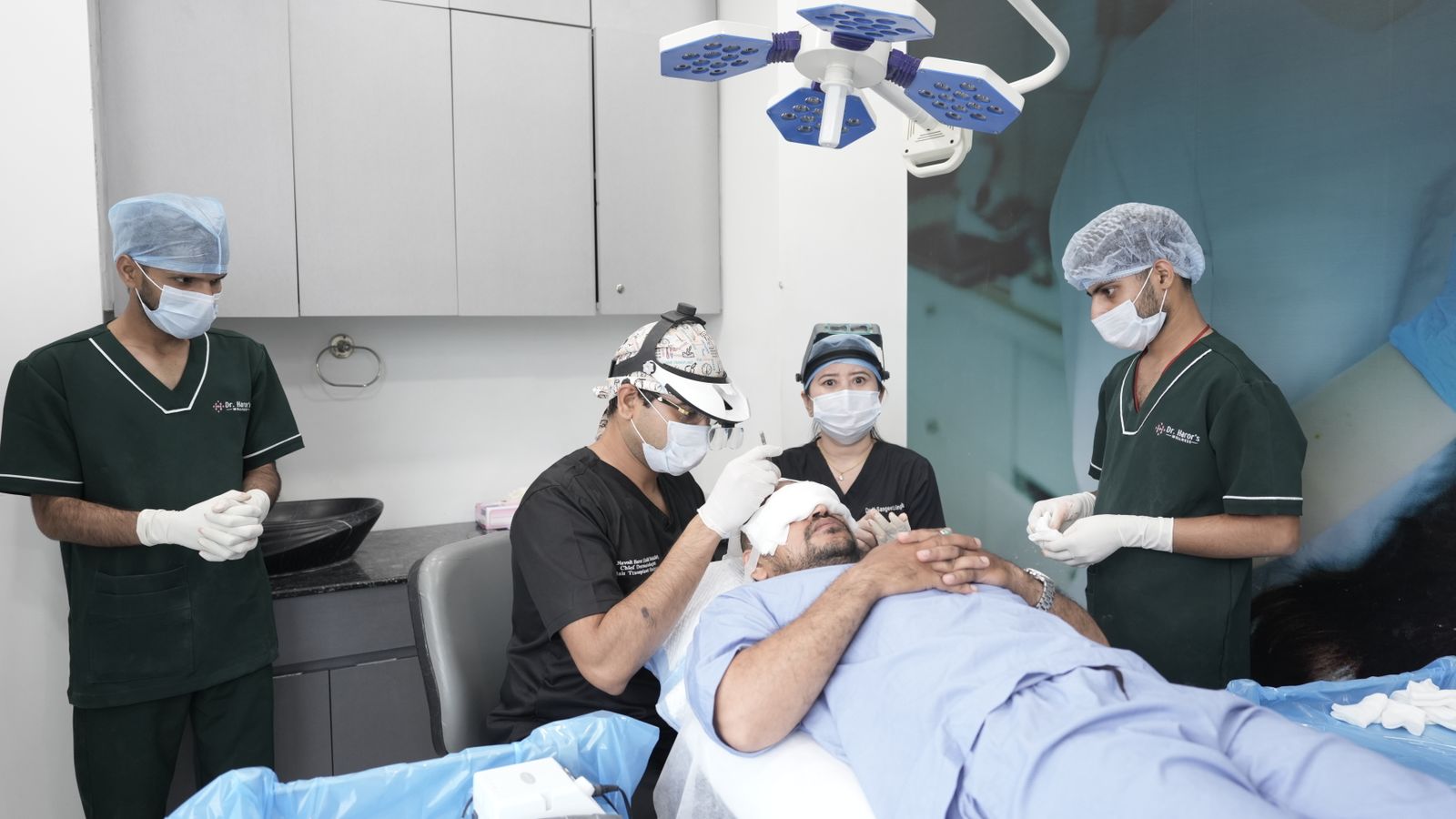
- Surgery: under general anaesthesia, usually laparoscopic through small incisions.
- Hospital stay: usually a few days for monitoring, getting moving and starting fluids.
- Recovery nearby: a few days at a hotel with a check-up before you fly home.
Plan for around a week in total; the exact length depends on your recovery.
The first weeks: a step-by-step diet
Your stomach needs time to heal, so you follow a staged diet plan that you receive in writing:
- clear fluids first, then protein-rich fluids,
- then puréed food,
- later soft and finally solid food in small portions.
Drinking enough throughout the day, plenty of protein, eating slowly and chewing well are key. After a gastric sleeve, lifelong vitamin and mineral supplements and regular blood tests are usually needed.
Talk openly about risks
Like any operation, a gastric sleeve has risks. These include bleeding, a leak along the staple line, blood clots, reflux and nutritional deficiencies if follow-up is missed. Ask for all risks to be explained in your consultation, and ask what happens in an emergency.
Follow-up after you return home
Long-term success depends heavily on follow-up: blood tests, dietitian support and ideally your own doctor at home. Before you travel, clarify:
- Who is your contact person after you return?
- How are check-ups organised?
- What documents will you receive for your own doctor?
Frequently asked questions about a gastric sleeve in Turkey
How much weight will I lose? It varies a lot from person to person. Weight loss depends on your starting weight, related conditions, diet, activity and follow-up. Responsible doctors therefore do not promise fixed figures.
When can I fly home? The medical team decides after your final check-up. You will usually get advice on preventing blood clots during the flight, such as compression stockings, drinking enough and moving regularly on board.
When can I return to work? With desk work, many people return after about two weeks; with physically demanding work, later. Avoid heavy lifting in the first weeks.
Can I get pregnant afterwards? In general yes, but specialists usually advise avoiding pregnancy during the phase of rapid weight loss – often the first twelve to eighteen months. Raise family planning and contraception openly in your consultation.
Summary
A gastric sleeve in Turkey can be a meaningful treatment for severe obesity – if the medical criteria are met and you are ready to change how you eat for good. Read more on our bariatric surgery page, or send us your questions using the form below this article.